
Crisis, Suppression and Global Outcry
When Tanzanians went to the polls in late 2025, many carried hopes of shaping their country’s future. However, what followed was not the peaceful, democratic moment that citizens had expected. Instead, the days after the election became a painful chapter in Tanzania’s recent history, a moment defined by fear, unanswered questions, and a nation struggling to be heard.
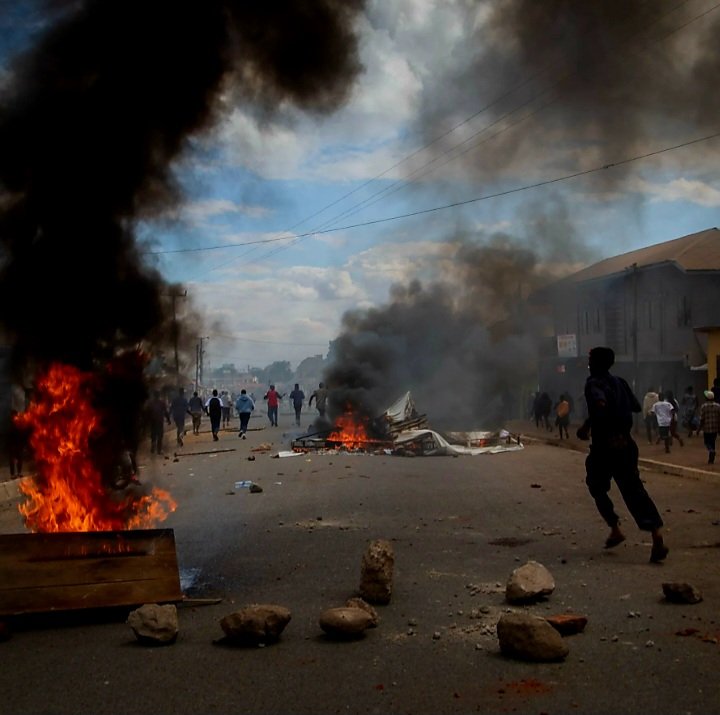
The announcement of a near-total landslide victory for the incumbent president was met with disbelief across the country. In neighborhoods from Dar es Salaam to Mwanza, people poured into the streets not in celebration, but in protest. Many felt their voices had been pushed aside. Others simply wanted clarity, transparency, and the freedom to question their government without fear. What happened next changed lives forever. As protests grew, security forces were deployed. Tear gas filled the air. Shots echoed in residential streets. Families were forced indoors under sudden curfews, and for many, communication with loved ones went silent as the internet was shut down. What should have been a moment of unity became a period of darkness, figuratively and literally.
Behind every statistic was a human being with a story. Young people who dreamed of fair elections. Parents who wanted safety for their children. Communities that wanted to understand why expressing an opinion suddenly felt dangerous. Reports of deaths and injuries shook the nation. Families mourned in silence, unsure if their grief would ever be acknowledged. Others waited anxiously for news of relatives who disappeared during the chaos. These were not just political events; they were personal tragedies affecting ordinary Tanzanians whose only wish was to participate in shaping their country’s future.
As frustration grew, so did the battle over narratives. Citizens wanted transparency; authorities wanted control. With the internet blackout, ordinary people resorted to whispers, private gatherings, and hushed phone calls once connections were restored. The truth felt fragmented, scattered, and heavily contested.
An inquiry was later announced, raising hopes that accountability and healing might follow. But for many, trust in such promises had already been deeply shaken. The wounds — emotional and physical were still fresh.
Beyond Tanzania’s borders, governments, organizations, and communities watched closely. Many expressed concerns. Some called for calm. Others urged investigations and restraint. In homes across East Africa and the wider world, people shared shock, empathy, and a desire for peace. Whether from Europe, the United States, or the broader African continent, the message was similar: Tanzania’s people deserved safety, dignity, and a democratic process they could trust.
What’s UPF thought?
Tanzania now stands at a crossroads. The violence of the post-election period has reminded the world that democracy is not only about voting. It is about trust, fairness, accountability, and the protection of citizens’ rights. For the region, this moment is a powerful reminder of how quickly political tension can turn into human suffering when voices are silenced. It also highlights the growing use of digital shutdowns as tools of control, a painful reality for a generation that depends on the internet to speak, organize, and bear witness.
For Tanzanians, healing will take time. Justice will require courage. And moving forward will depend on whether leaders, institutions, and communities choose transparency over suppression. This story is not just about violence; it is about resilience. It is about the tears of families who refuse to be forgotten. It is about young people who still believe in a better Tanzania. It is about citizens who want peace, dignity, and the power to choose their leaders freely.
Tanzania’s future is still unwritten. But one truth remains: healing begins when voices are heard, when justice is pursued, and when unity is given space to grow.
#Tanzania #TanzaniaProtests #PostElectionViolence #PeaceForTanzania
#HumanRights #AfricaPolitics #DemocracyNow #UnitedForPeace #EastAfrica