
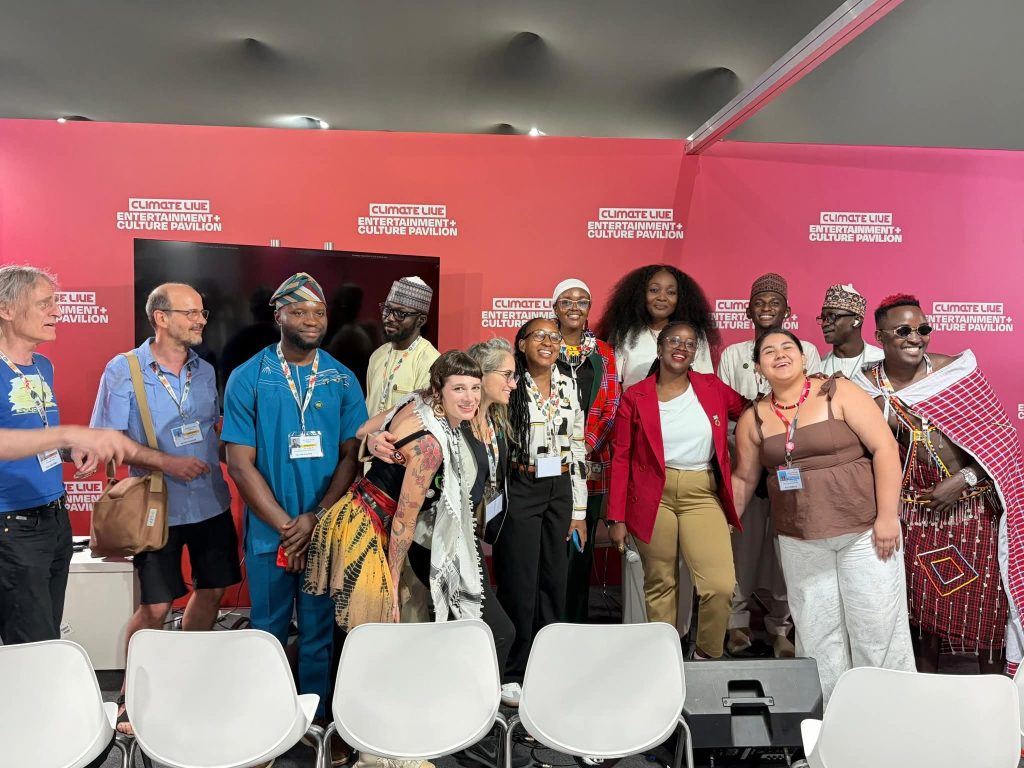
The recently concluded COP30 in Belém, Brazil, marked a critical turning point for Africa’s climate future. For decades, African nations have carried the heaviest burden of climate change while contributing the least to global emissions. This year, African delegates arrived at the summit united by one message: climate justice is peace, and peace cannot exist without climate stability.
From prolonged droughts in the Horn of Africa to destructive floods in West and Central Africa, the continent is facing intensifying climate emergencies that threaten not only livelihoods but social cohesion, economic security, and long-term peace. COP30 provided a global stage for African leaders, activists, and civil society to speak clearly about what is at stake and what must change.
A Stronger African Voice for Climate Justice
At COP30, African negotiators demanded the tripling of adaptation funding, insisting that previous commitments are no longer enough to meet the urgency of the crisis. Adaptation finance is not charity; it is a lifeline. Farmers, pastoralists, coastal communities, and displaced families all require resources to withstand rising temperatures, erratic rainfall, and rapid environmental degradation.
But African representatives also highlighted a deeper challenge: climate solutions must not come in the form of costly loans that plunge countries further into debt. True climate justice means grant based financing, fair partnerships, and technology that empowers communities instead of widening inequality. Many African nations left the summit hopeful but cautious, concerned that promises may once again fall short of real implementation.
Barriers at COP30: Participation, Costs, and Contradictions
The summit also faced criticism related to unequal participation. High accommodation and operational costs in Belém made attending difficult for many African civil society groups and youth representatives. Their absence risks silencing the very voices most affected by the climate crisis.
Additionally, while Brazil presented itself as a global leader in forest conservation, critics pointed out contradictions between environmental commitments and ongoing deforestation activities. These tensions served as a reminder that global climate policy must be backed by transparent, accountable action.
Still, the summit brought important momentum. African delegations successfully reframed climate change as a security issue, arguing that environmental degradation fuels conflict, displacement, poverty, and instability across the continent. This perspective directly aligns with the mission of United for Peace Africa, which views climate action as a fundamental pillar of peacebuilding.
Kenya’s Reality: Mudslides, Loss, and Why Tree Planting Cannot Wait
While global leaders debated policy in Brazil, Kenya faced a painful reminder of climate vulnerability. In Elgeyo-Marakwet, devastating mudslides claimed lives, displaced families, and destroyed homes and farms. The tragedy exposed a harsh truth: years of deforestation in the region have destabilized slopes, reduced groundwater absorption, and made communities more vulnerable to climate-driven disasters.
Forests are more than just trees—they are natural shields that prevent erosion, regulate rainfall, stabilize soil, and protect entire ecosystems. When they disappear, communities pay the price.
This is why United for Peace Africa is launching a tree-planting and ecosystem restoration initiative in Kenya, with a special focus on areas like Elgeyo Marakwet where environmental destruction and climate shocks have become deadly. Our plan includes:
- Planting climate-smart, indigenous tree species that restore natural water systems
- Partnering with youth, schools, and community groups to build long-term stewardship
- Supporting local awareness programs linking environmental care with peace and safety
- Integrating climate-peace education to help communities understand the connection between land health and social harmony
We believe that restoring forests is not just an environmental effort—it is a peace initiative. When lands are stable, economies thrive. When young people are engaged in conservation, they are empowered. And when communities feel safe from natural disasters, they can build futures with confidence.
Africa’s Climate Future: Peace Through Action
COP30 renewed international attention on Africa’s climate needs, but words alone cannot transform lives. Real change begins with community-driven action that centers resilience, justice, and shared responsibility.
Across the continent, young people are leading the way, organizing climate strikes, documenting environmental abuses, advocating for just energy transitions, and pushing for government accountability. Their voices echo a powerful truth: climate peace is not optional. It is essential.
At United for Peace Africa, we are committed to advancing this vision through:
- Climate-peace education and digital awareness
- Community environmental restoration such as tree planting
- Youth empowerment and leadership development
- Cross-border cooperation on peace, justice, and climate resilience
The outcomes of COP30 remind us that while Africa may not be the world’s largest emitter, it is one of its greatest leaders in climate responsibility, innovation, and unity.
As a daughter of the Valley, Elgeyo Marakwet I will appreciate the initiative to plant the trees. We have had enough of pain caused by mud slides not just this year but all seasons of the past years.
#Greenforpeace
#Fightclimatechange
https://shorturl.fm/qzGdS
https://shorturl.fm/nBPrt